Safety-first, tested buying guides to the gear that matters most.
Baby gear is where the most money gets spent and the most marketing gets aimed at you, so this section is built to cut through it. Our senior gear editor — a certified child passenger safety technician — tests and compares strollers, infant and convertible car seats, cribs and mattresses, monitors, breast pumps, and the pregnancy pillow that finally lets you sleep, ranking real products (UPPAbaby, Nuna, Chicco, Graco, Babyletto, Spectra, Nanit) on what actually matters: safety standards, fit, durability, and value. We are blunt about where to save and where a higher price buys real safety or longevity, and about which items should never be bought used. Recommendations are editorially independent — chosen for your baby, not for the brand.
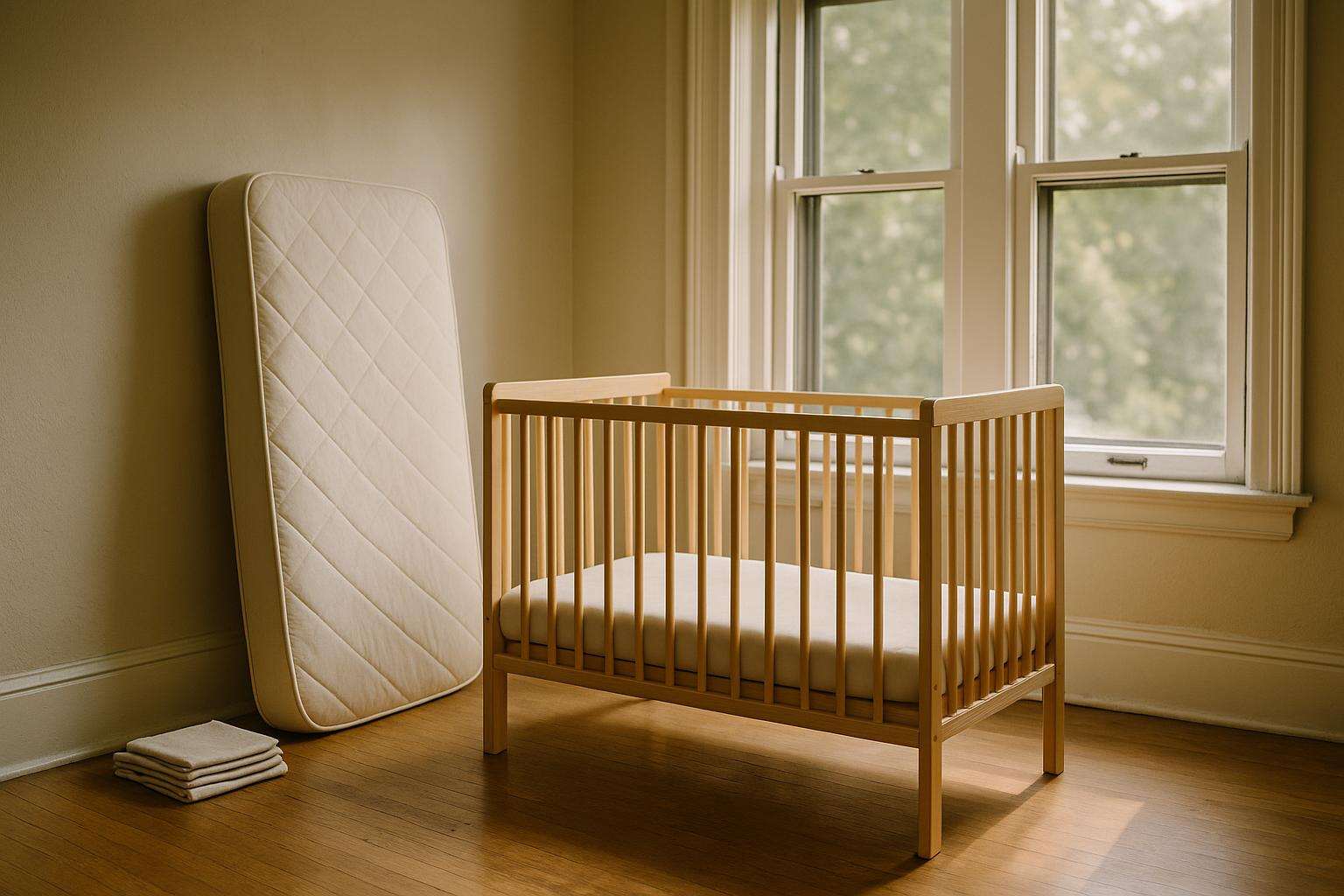
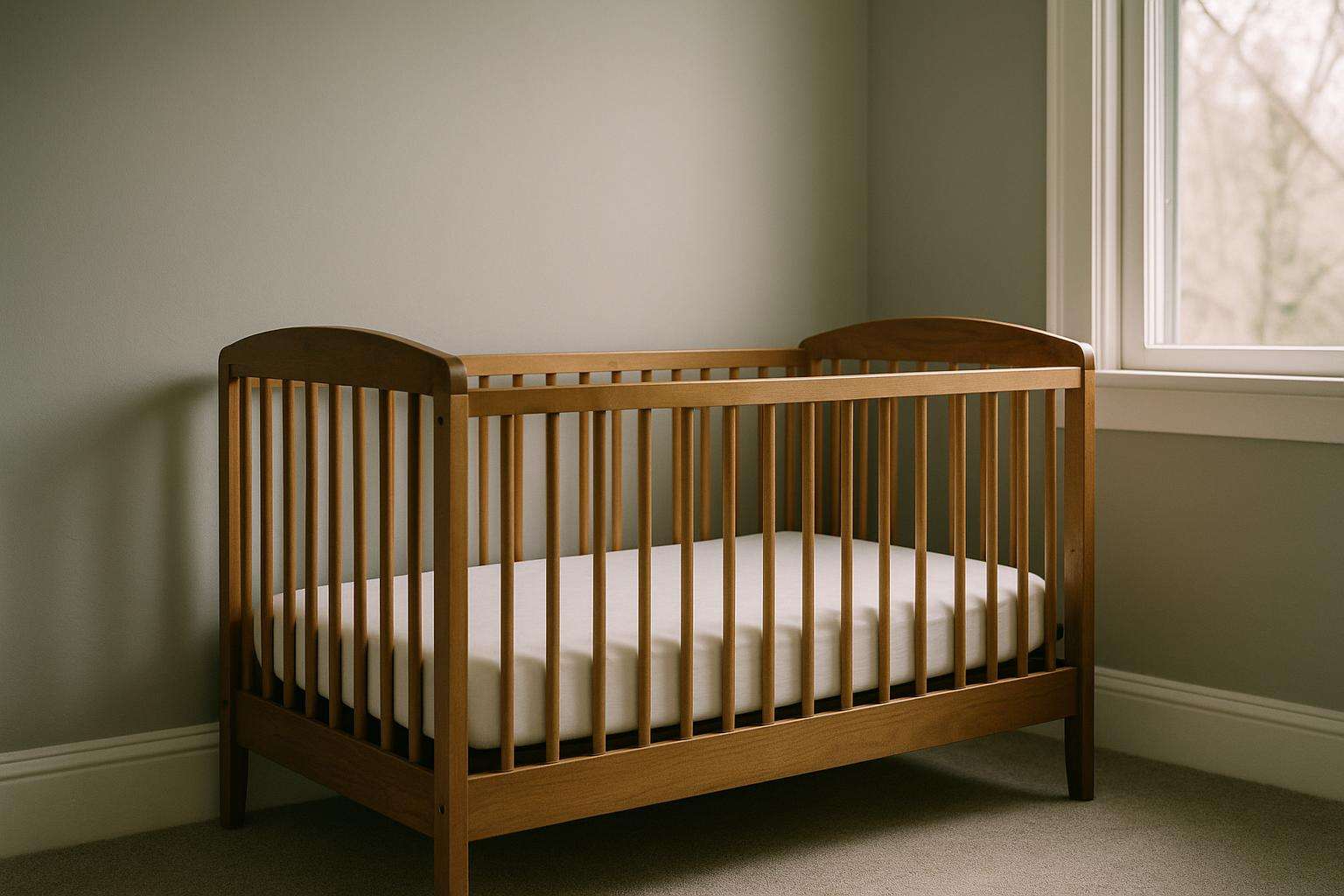
Federal rules banned drop-side cribs in 2011 and updated mattress standards again in 2026. Here is what every specification means — and a six-point checklist for safely evaluating any hand-me-down before your baby sleeps in it.
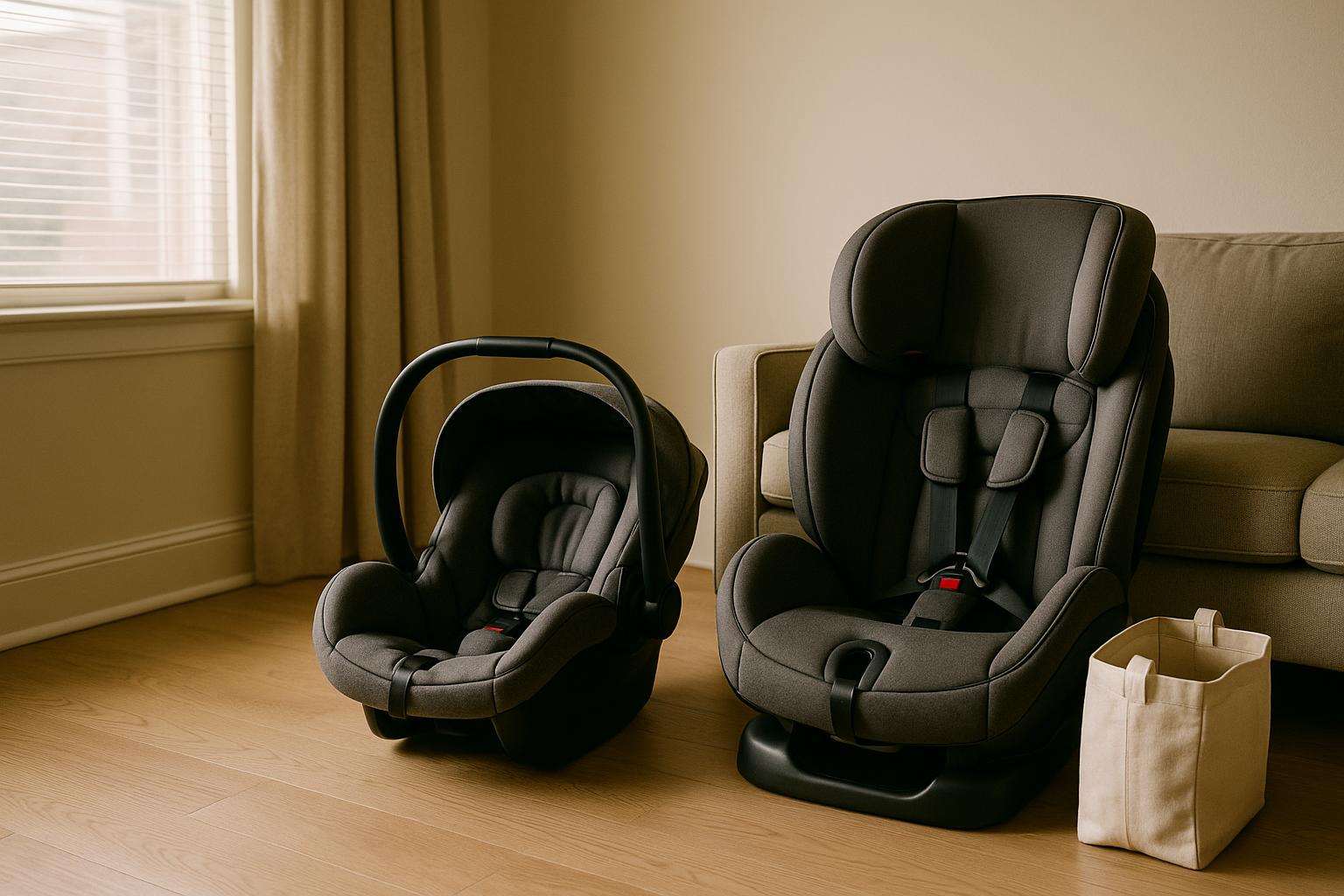
The type of car seat you start with shapes your budget for the next six years. Here is the total-cost-of-ownership math — and the safety nuances that matter more than the sticker price.
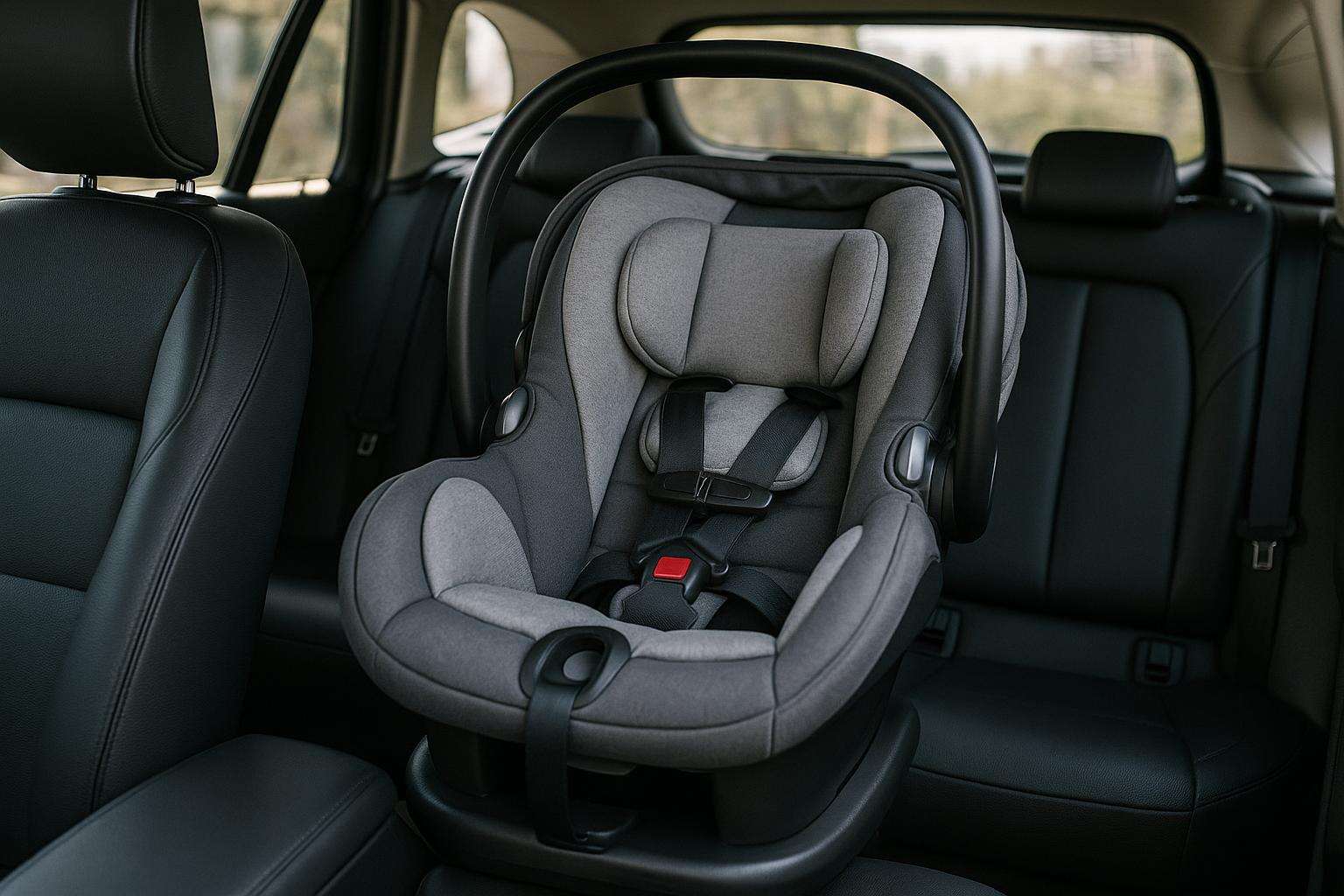
A certified child passenger safety technician walks through the federal standards, state rear-facing laws, expiration windows, and the delayed FMVSS 213a side-impact rule — so you can shop and install with confidence.
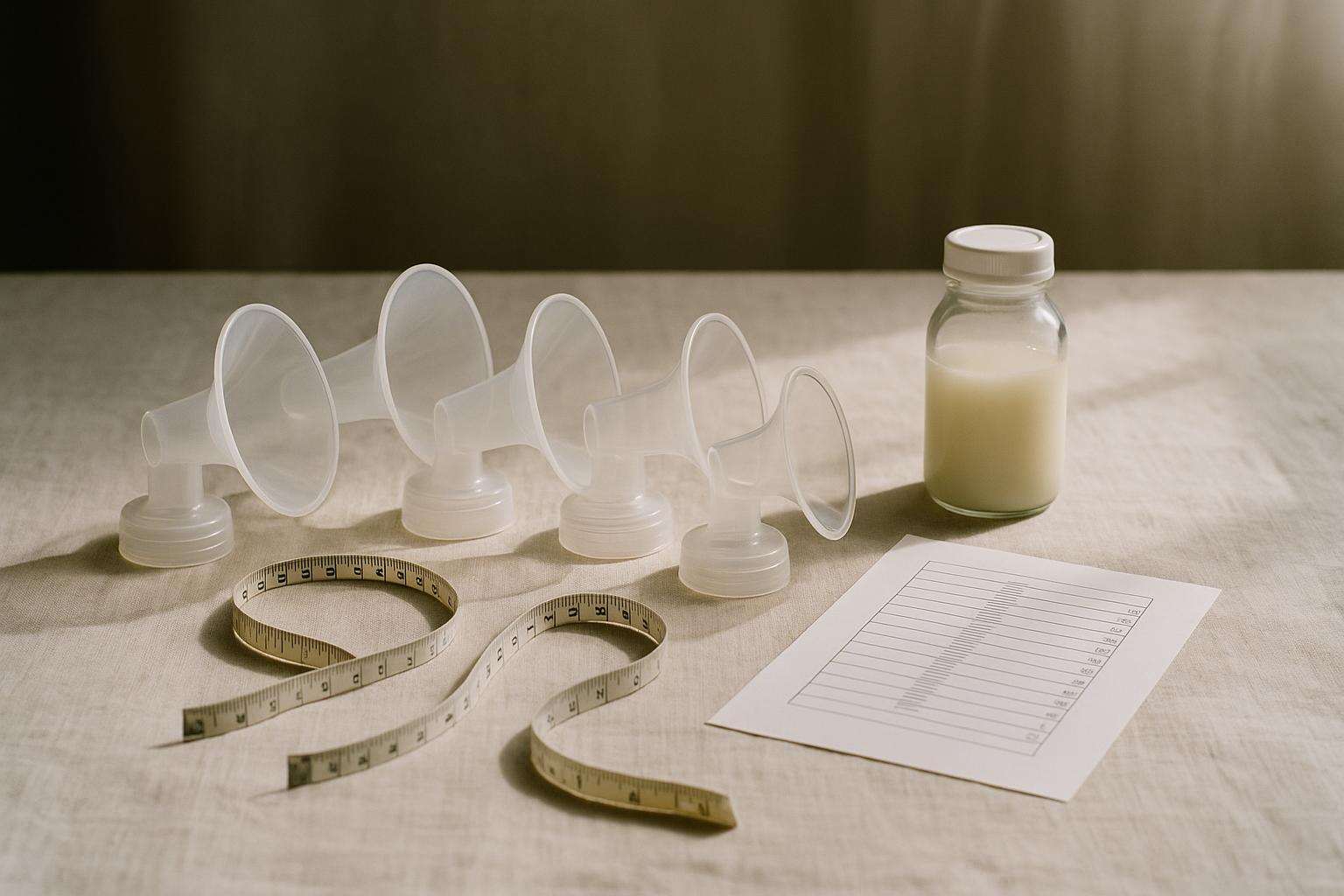
The 24 mm and 28 mm shields bundled with most pumps fit a narrow slice of nipple anatomy. Here is how to measure correctly, what sizes actually work for most people, and how silicone inserts solve the problem affordably.
A certified child passenger safety technician breaks down every stroller category — full-size, travel, double, and jogging — so you can match the right frame to your actual life before the baby arrives.
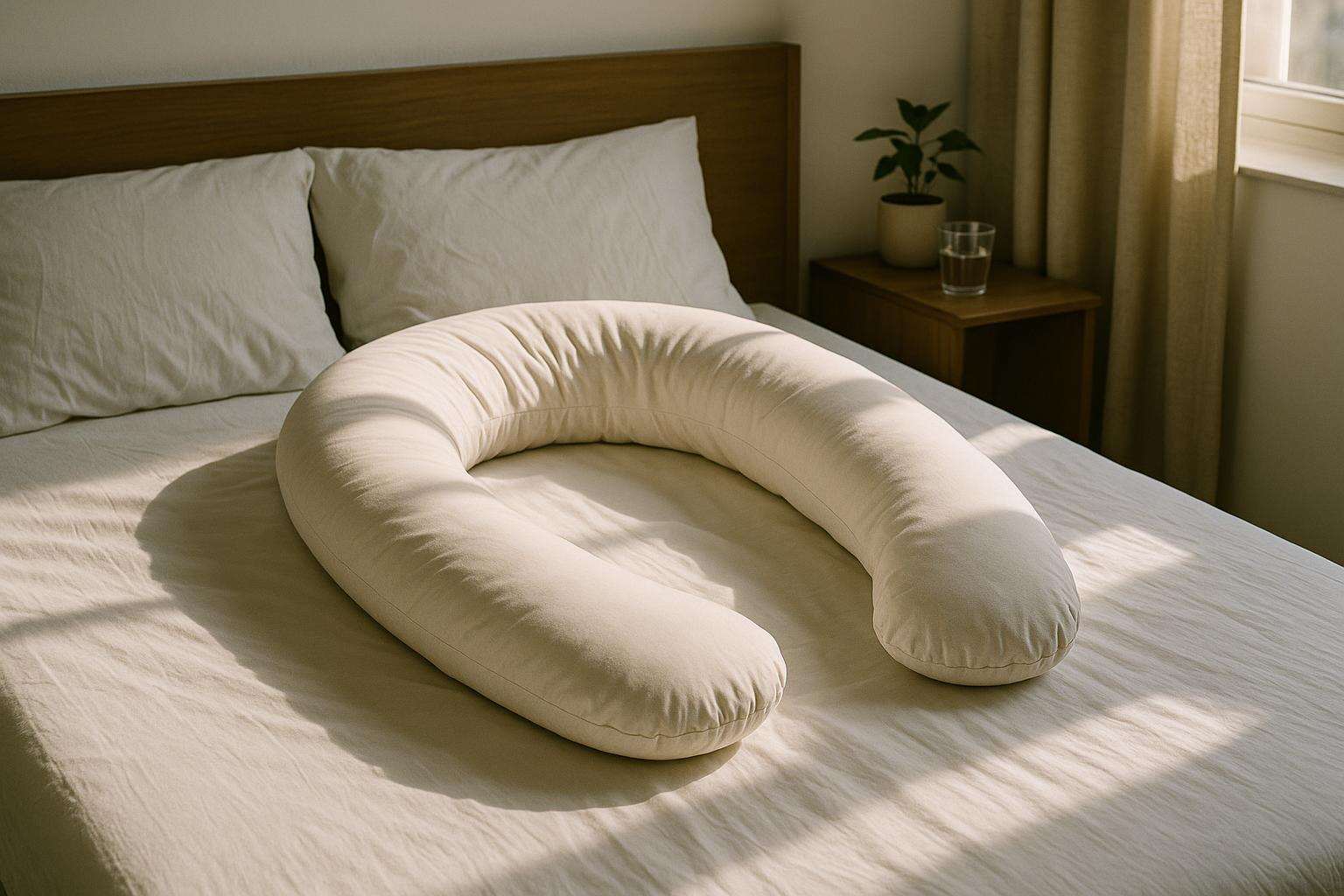
A physical therapist's guide to pregnancy pillow shapes, support trade-offs, and when to start using one — grounded in sleep-positioning science and real product data.
GREENGUARD Gold, OEKO-TEX, GOTS, GOLS, MADE SAFE, and CertiPUR-US explained side by side — so you know exactly which certification protects against what.
By Claire Bennett, CPST · 10 MIN READ
Frequently asked about Baby Gear
What baby gear should I never buy secondhand?
Car seats, crib mattresses, and breast pumps top the never-used list. A car seat may have been in a crash you cannot see and expires years after manufacture; a used mattress can lose firmness and harbor bacteria; and most breast pumps are not designed to be fully sanitized between users (closed-system or hospital-grade rentals are the exception). Cribs are fine secondhand only if they meet current CPSC standards and were made after the 2011 drop-side ban.
When should I order my big baby-gear items?
Aim to have the car seat, stroller, and crib chosen and ordered by around 35 to 37 weeks, since babies arrive early sometimes and supply chains can lag. The car seat is the one true must-have to leave the hospital. A breast pump can often be ordered through insurance in the third trimester and shipped close to your due date — many plans cover one at no cost.
Do I need a smart sock or vitals monitor?
No — and it is important to be clear about why. The American Academy of Pediatrics says consumer vitals monitors like the Owlet Dream Sock have not been shown to prevent SIDS, and they can cause anxiety through false alarms. They are an optional comfort item, not a safety device. The evidence-based safe-sleep basics — a firm, flat surface, baby on the back, nothing else in the crib — do far more.