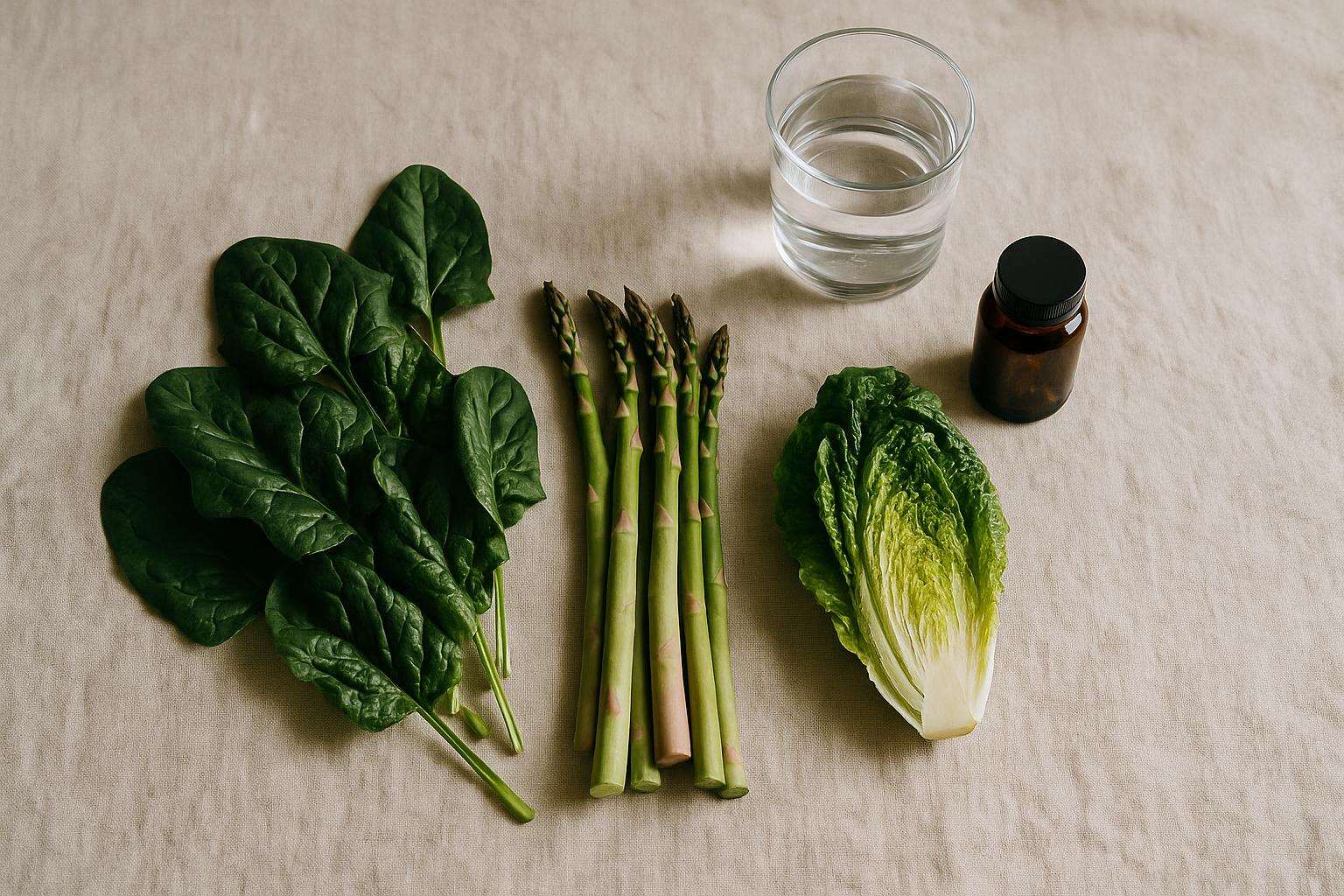
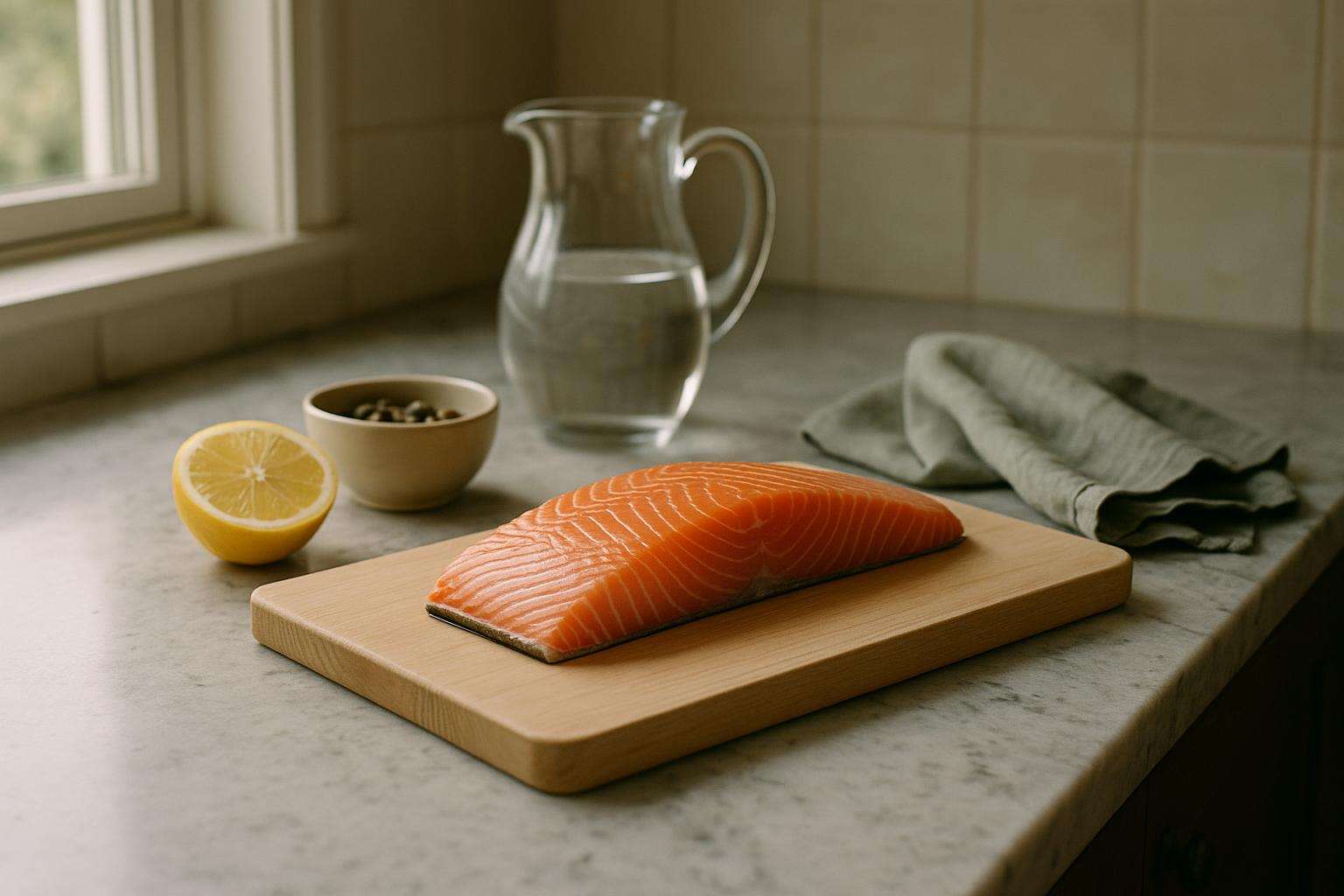
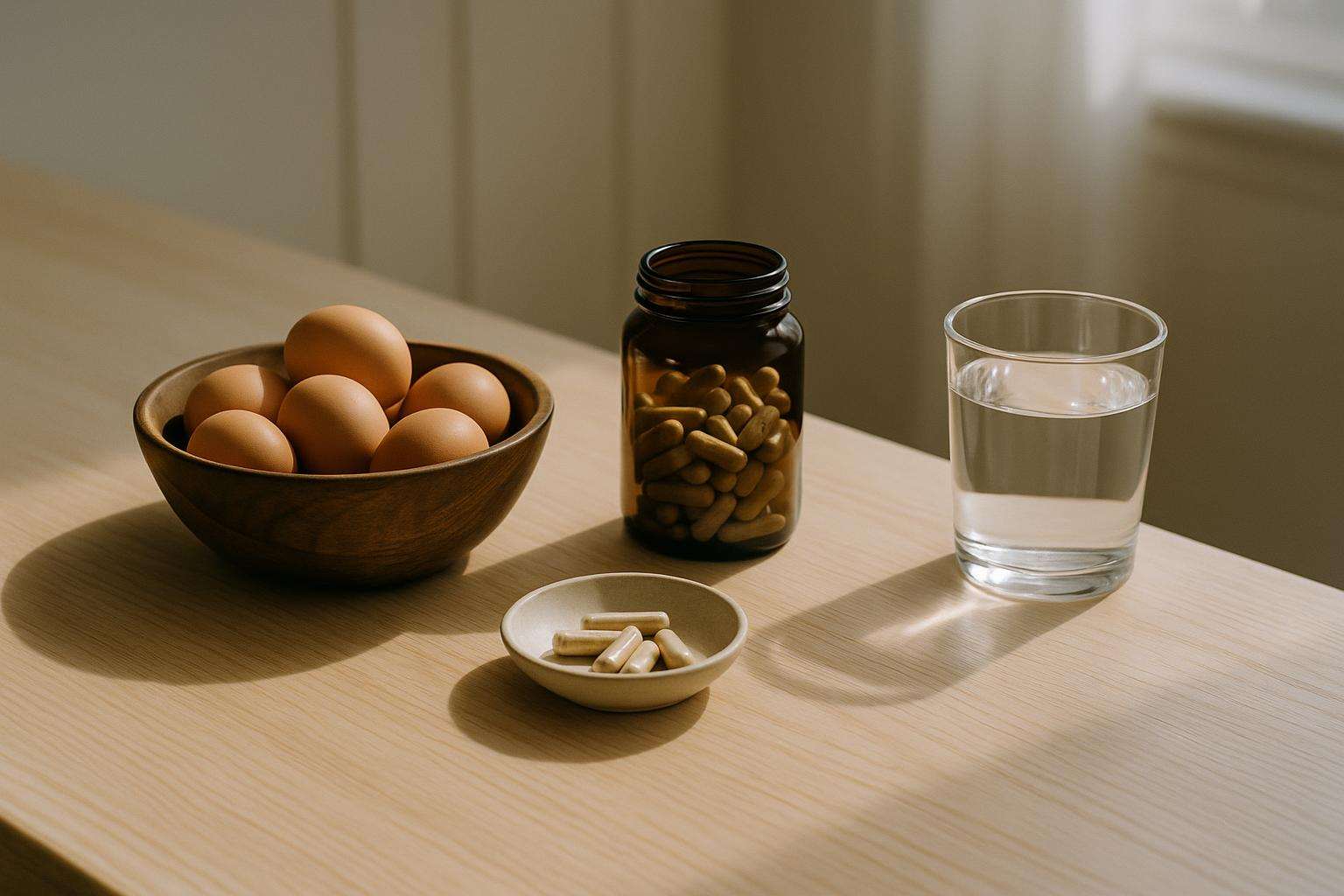
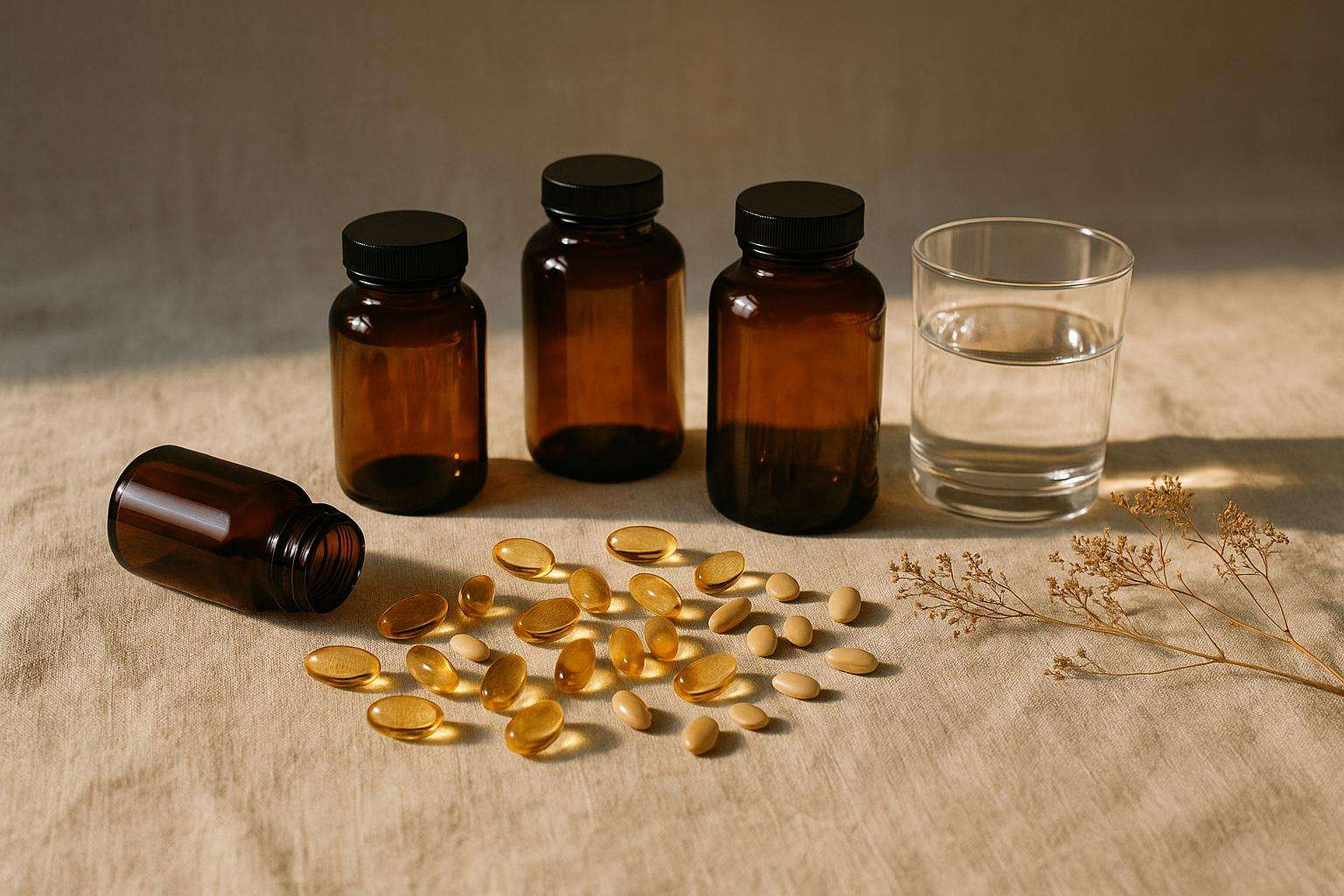
Prenatal vitamins, key nutrients and food safety, grounded in the evidence.
What you take and what you eat in pregnancy matters, but most of the noise online is louder than the evidence — so this section keeps to what is actually supported. Our registered dietitian compares prenatal vitamins by their forms and doses (methylfolate versus folic acid, chelated minerals, the DHA and choline most brands under-deliver), and lays out the food-safety rules — listeria-risk foods, mercury in fish, the real caffeine ceiling — straight from FDA, ACOG, and March of Dimes. We favor a food-first, root-cause view where the science allows it, and we name real products (Ritual, Thorne, FullWell, Needed, Nature Made, Nordic Naturals) so you can compare them yourself. This is general nutrition information; your provider knows your labs and your history.
A registered dietitian ranks Ritual, Thorne, FullWell, Needed, Perelel, and Nature Made on nutrient completeness, bioavailable forms, choline and DHA coverage, third-party certification, and real monthly cost.
A registered dietitian's hands-on assessment of the top prenatal vitamins—ranked on ingredient quality, choline and DHA completeness, pill burden, and honest monthly cost.
A registered dietitian ranks standalone prenatal omega-3 supplements on DHA dose, DHA+EPA total, source (algae vs. fish oil), and third-party purity certification — so you know exactly what you're getting.
Iron needs nearly double during pregnancy, yet most women fall short. Here is what the research says about ferrous sulfate vs. bisglycinate, the food-first heme hierarchy, and when to test ferritin — not just hemoglobin.
Nature Made runs under $5 a month. A fully built-out Needed stack can top $140. Here is the real cost-per-day math for every major prenatal brand, add-ons included.
ACOG recommends 200–300 mg of DHA per day, but the NIH now endorses at least 250 mg combined DHA+EPA — and most American pregnant women get only 60 mg a day from food. Here is how to close the gap with algae oil or fish oil, and why starting early matters.
A categorized, clinician-reviewed guide to the foods that carry real risk during pregnancy — deli meats, raw fish, unpasteurized products, and more — grounded in FDA, ACOG, and March of Dimes guidance.
ACOG still recommends folic acid. Emerging research points toward methylfolate. Here is what the evidence actually shows — and what it means for your prenatal choice.
The FDA and EPA want you eating 8–12 oz of low-mercury seafood every week — here is exactly which fish are safe, which to avoid, and how much tuna is actually allowed.
The pregnancy adequate intake for choline is 450 mg a day. Most prenatal vitamins deliver 25 mg or less — a gap wide enough to matter for your baby's brain and neural tube.
ACOG's 200 mg ceiling, the hidden sources that push you over it, why caffeine lingers longer as pregnancy progresses, and the case for drinking less than the maximum.
A registered dietitian's focused round-up of prenatals that include adequate DHA in the same product — so you don't have to buy a separate omega-3.
By Dana Whitfield, RD · 9 MIN READ
Frequently asked about Nutrition & Supplements
When should I start taking a prenatal vitamin?
Ideally before conception — at least a month before you start trying, and three months is better. The neural tube forms in the first few weeks, often before a pregnancy is confirmed, which is why adequate folate (400–800 mcg) needs to be on board early. If a pregnancy was unplanned, start as soon as you know; it is never too late to benefit from a complete prenatal.
What is the difference between folate and folic acid?
Folic acid is the synthetic, well-studied form proven to lower neural-tube-defect risk; folate (including methylfolate, or 5-MTHF) is the form found in food and in many premium prenatals. Both raise blood folate effectively for most people. Some prenatals use methylfolate on the theory that it bypasses the MTHFR conversion step, but evidence that this matters for the average person is limited — the most important thing is taking an adequate dose of one of them, consistently.
Which foods should I avoid during pregnancy?
The core list, per the FDA and ACOG, is high-mercury fish (shark, swordfish, king mackerel, bigeye tuna), raw or undercooked fish and meat, unpasteurized dairy and juices, soft cheeses made from unpasteurized milk, deli meats and hot dogs unless heated to steaming, raw sprouts, and more than 200 mg of caffeine a day. The common thread is reducing the risk of listeria and other foodborne infections, to which pregnancy raises susceptibility.