The Best Prenatal Workout Apps and Programs of 2026
A pelvic-floor physical therapist reviews The Bloom Method, Sweat, Expect.fit, and Bodylura on medical oversight, trimester structure, pelvic-floor specificity, and real cost.
Safe movement, pelvic-floor care and perinatal mental health.
Moving well and feeling well through pregnancy are not luxuries — they shape your recovery and your birth, and they are some of the few things genuinely in your control. This section pairs a pelvic-floor physical therapist and a perinatal psychologist to cover both: a trimester-by-trimester exercise plan built on ACOG's 150-minute guidance, how to train the deep core and pelvic floor (and why most people do Kegels wrong), sleep positioning and swelling relief, and the prenatal anxiety and depression that are common, real, and treatable. We bust the heart-rate-ceiling myth, flag the warning signs to stop, and point you to genuine help like Postpartum Support International. This is general guidance — clear any new exercise program, and any mood concern, with your own provider.
A pelvic-floor physical therapist reviews The Bloom Method, Sweat, Expect.fit, and Bodylura on medical oversight, trimester structure, pelvic-floor specificity, and real cost.
Research-backed guidance for expectant fathers and co-parents — how to show up at prenatal appointments, divide household work, prepare the nursery, and protect your own mental health before the baby arrives.
The talk test, not a heart-rate ceiling, is the modern standard. Here is what ACOG's 2020 guidance actually says about exercise during pregnancy — and the activities that genuinely require caution.
That sharp, stabbing pull in your lower belly or groin is almost certainly round ligament pain — one of the most common and most startling second-trimester surprises. Here is what is actually happening and what you can do about it.
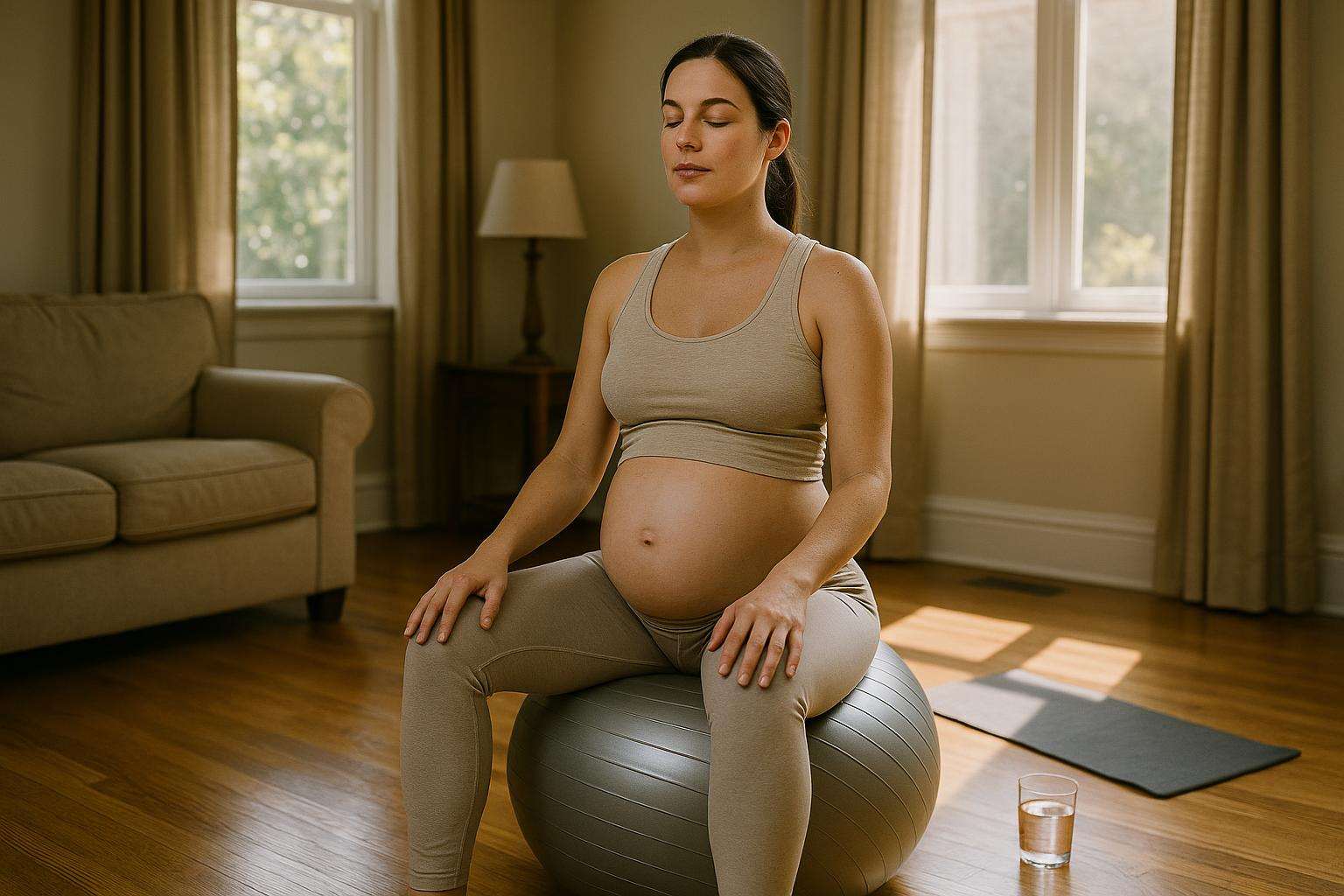
A trimester-by-trimester exercise guide built on ACOG's 150-minute target — with the modifications, warning signs, and gear that support a changing body from week 4 through week 40.
After 28 weeks, left-side sleeping is the gold standard. Here is the vena cava science, the pillow setups that actually work, and the real story on back-sleeping.
One in seven pregnant women experiences a perinatal mood disorder — yet most go unscreened until too late. Here is how the Edinburgh scale works, what ACOG now recommends, and where to find real help.
Most people do Kegels wrong — and a biofeedback device can tell you so in real time. Here is how to train your pelvic floor correctly through pregnancy and why it matters more than you think.
Your blood and fluid volume rises about 50% during pregnancy—here's how to ease the puffiness in your ankles and feet, and which symptoms mean you should call your provider right away.
A DPT explains what ab separation really is, which women are most at risk, and how the deep-core "canister" approach keeps your midline healthier through every trimester.
Weeks 18–24 are your sweet spot for a babymoon — but airline policies, DVT risk, travel insurance gaps, and Zika advisories all require a little homework first. Here is everything you need to plan safely.