Nutrition & Supplements
Eating Fish While Pregnant: Mercury Limits and Safe Choices
The FDA and EPA want you eating 8–12 oz of low-mercury seafood every week — here is exactly which fish are safe, which to avoid, and how much tuna is actually allowed.
Clinically reviewed · June 2026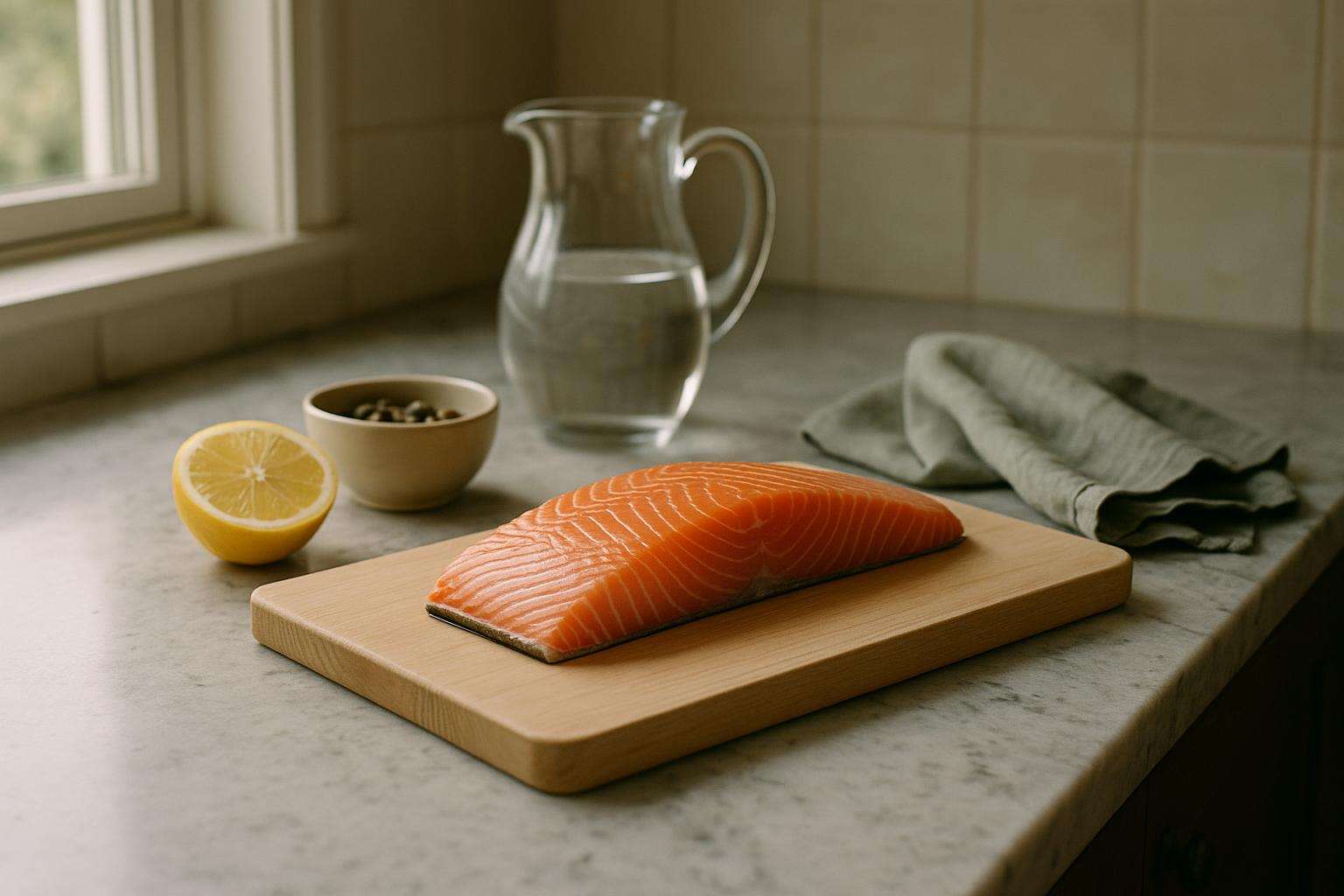
Pregnant women should eat 8–12 oz of low-mercury seafood per week — it is one of the best sources of DHA for fetal brain development. Six high-mercury species (shark, swordfish, king mackerel, bigeye tuna, orange roughy, and Gulf tilefish) should never be eaten during pregnancy. Canned light tuna is safe within the weekly limit; albacore is capped at 6 oz per week.
Ask most pregnant women what they know about fish and pregnancy and you will hear some version of the same answer: just avoid it to be safe. That instinct is understandable — mercury is a real concern — but it is also nutritionally costly. Fish is one of the highest-quality dietary sources of DHA (docosahexaenoic acid), the omega-3 fatty acid that builds fetal brain tissue and retinal cells. Eating too little fish does not feel like a risk, but for a developing nervous system, it is one.
The good news is that the FDA and EPA have done the work for you. The 2021 joint guidance — updated in alignment with the Dietary Guidelines for Americans 2020–2025 — lays out a clear framework: which fish to eat freely, which to limit, and which to avoid entirely. This guide walks through each category, explains the mercury science behind it, and addresses the tuna question that comes up in almost every prenatal nutrition visit.
This article is for general educational purposes and is not a substitute for individualized medical or nutrition advice. Please discuss your specific diet and supplement needs with your obstetric provider or registered dietitian.
Which fish are safe to eat during pregnancy — and how much?
The FDA and EPA recommend that pregnant women consume 8 to 12 ounces (roughly two to three servings) of low-mercury seafood per week. A standard serving is approximately 4 oz of cooked fish — roughly the size of your palm or a standard deck of cards. The agency guidance is a floor as much as a ceiling: most pregnant women eat far less seafood than this, which means they are under-delivering on DHA and other marine nutrients rather than over-exposing to mercury.
The safest and most nutritious choices for pregnancy include:
- Salmon (wild-caught or farmed) — one of the richest dietary sources of DHA; very low mercury
- Sardines — small, short-lived, and extremely low in mercury; high in DHA, calcium, and vitamin D
- Rainbow trout (freshwater farmed) — consistently low mercury; good DHA content
- Herring — Atlantic and Pacific herring are low mercury and a solid omega-3 source
- Anchovies — tiny and low on the food chain; high omega-3 per ounce
- Shrimp, scallops (cooked), oysters (cooked), clams (cooked) — all very low mercury when properly cooked
- Tilapia — low mercury; modest omega-3 content but nutritionally sound
- Pollock / Alaska pollock — the white fish in most fast-food fish sandwiches; low mercury
- Catfish (farmed) — very low mercury; widely available
- Canned light tuna (skipjack) — lower mercury than albacore; fits within the 8–12 oz weekly window
According to March of Dimes, the omega-3 DHA found in fish supports the development of your baby's brain and eyes — a benefit that makes meeting the weekly seafood target worthwhile for most pregnancies.
What is the mercury risk, and which fish should be avoided entirely?
Mercury enters the ocean primarily through industrial emissions. Once in the water, bacteria convert it into methylmercury — the organic form that accumulates in fish tissue. Large, predatory fish at the top of the food chain live longest and eat the most smaller fish, so they concentrate the highest levels of methylmercury in their flesh. That is why the do-not-eat list reads like a roster of big game fish.
Methylmercury is a potent neurotoxin. It crosses the placenta readily and accumulates in fetal tissues at concentrations that can exceed the mother's blood levels. The developing fetal brain is uniquely vulnerable because neural cells are actively forming, migrating, and connecting throughout pregnancy. High prenatal mercury exposure is associated with cognitive delays, impaired fine motor skills, and in severe cases, hearing and vision problems. Because the fetus lacks the metabolic capacity to excrete mercury efficiently, exposures that produce no noticeable symptoms in the mother can still affect fetal development.
The FDA's complete do-not-eat list for pregnant women covers six species:
| Fish | Why It's High Mercury | FDA Guidance |
|---|---|---|
| Bigeye tuna | Large pelagic predator; long-lived; high methylmercury accumulation | Do not eat |
| King mackerel | Fast-growing apex predator in Gulf of Mexico and Atlantic; high mercury tissue levels | Do not eat |
| Orange roughy | Extremely long-lived (up to 150 years); accumulates mercury over decades | Do not eat |
| Shark | Apex ocean predator; decades of bioaccumulation; very high methylmercury | Do not eat |
| Swordfish | Large predatory billfish; consistently among the highest-mercury species tested | Do not eat |
| Tilefish (Gulf of Mexico) | Gulf tilefish are exceptionally high mercury; Atlantic tilefish are lower but still limited | Do not eat |
These restrictions apply throughout pregnancy and while breastfeeding. There is no safe serving size for these species during pregnancy — the FDA guidance is an outright avoidance recommendation, not a portion limit.
How much tuna can you eat during pregnancy — and does the type matter?
Tuna is the most common seafood in American diets, which makes it the source of the most confused questions in prenatal nutrition. The answer depends entirely on which type of tuna you are eating.
Canned light tuna (usually skipjack) is lower in mercury — eat it freely within your 8–12 oz weekly total. Canned albacore (white) tuna has roughly three times the mercury — cap it at 6 oz per week. Bigeye tuna in any form is on the do-not-eat list.
Here is the full breakdown of tuna types and pregnancy guidance:
| Tuna Type | Mercury Level | Pregnancy Limit (per week) | Notes |
|---|---|---|---|
| Canned light tuna (skipjack) | Low (~0.13 ppm average) | Up to 8–12 oz total weekly seafood | Most common canned tuna; counts toward weekly total |
| Albacore (white) canned tuna | Moderate (~0.35 ppm average) | Maximum 6 oz per week | Higher mercury than light tuna; limit carefully |
| Yellowfin tuna (ahi) | Moderate-high (~0.35–0.58 ppm) | Limit to one 4-oz serving per week | Often served as seared ahi; cook fully during pregnancy |
| Bigeye tuna | Very high (~0.69 ppm average) | Do not eat | Common in high-end sushi and ahi steaks; on FDA do-not-eat list |
If a can simply says "chunk light tuna" without further specification, it is most likely skipjack and falls in the safest tuna category. Mayo Clinic echoes this two-tier guidance and recommends pregnant women keep albacore strictly within the 6-oz weekly cap and count all canned tuna toward their total weekly seafood ounces.
Why blanket seafood avoidance during pregnancy is the wrong call
The fear of mercury has led many pregnant women to cut seafood out of their diets entirely. From a public-health standpoint, this is the wrong trade-off.
DHA is not a nice-to-have nutrient in pregnancy — it is a structural component of the fetal brain and retina, and the fetal nervous system draws on maternal DHA stores throughout gestation. A 2024 study published in Nutrients (the ECLIPSES Study; n = 348 mother-infant pairs) found that maternal omega-3 DHA concentrations in the first trimester were significantly associated with infant neurodevelopmental outcomes — underscoring that DHA status matters from the very beginning of pregnancy, not just the third-trimester brain-growth surge that gets the most attention.
At the same time, OmegaQuant Analytics notes that average red blood cell DHA levels in U.S. women of reproductive age are well below the recommended threshold (~3.7%), making routine DHA assessment a reasonable clinical consideration. For women who do not eat fish regularly, algae-derived DHA supplements offer the same omega-3 benefit without any mercury exposure — algae is the original source that fish get their DHA from in the first place.
The practical takeaway: the mercury framework is about choosing which fish to eat, not whether to eat fish at all. Most supermarket fish — salmon, shrimp, tilapia, catfish, canned light tuna, pollock, sardines — are safe and nutritionally valuable. Avoiding them wholesale in favor of a supplement-only approach leaves a real nutritional gap and adds unnecessary cost.
A word on raw seafood and other seafood safety rules
Mercury is not the only seafood risk during pregnancy. Raw fish and shellfish carry a separate microbial risk that applies regardless of mercury level:
- All raw fish and shellfish — including sushi, sashimi, ceviche, raw oysters, raw clams, and raw scallops — should be avoided during pregnancy due to risk of Listeria monocytogenes, Vibrio, and Toxoplasma gondii. These pathogens can cross the placenta and cause serious harm to the pregnancy.
- Refrigerated smoked seafood (lox, kippered salmon, smoked trout) also carries Listeria risk and should be avoided or heated until steaming before eating. Shelf-stable canned smoked fish is acceptable.
- Cooked sushi made with fully cooked, low-mercury species — shrimp tempura, cooked crab, cooked eel, avocado rolls — is generally safe, per Mayo Clinic guidance.
Cook all fish to an internal temperature of 145°F (63°C); shellfish should be cooked until shells open or flesh is firm and opaque.
Putting it together: a practical weekly seafood plan
Hitting the 8–12 oz weekly target does not require cooking elaborate meals every day. A practical approach might look like:
- Two 4-oz servings of salmon across the week — broiled, baked, or poached — covers your DHA target and tastes like actual food, not a supplement.
- One 4-oz serving of shrimp (stir-fried, in pasta, or in tacos) is low mercury, high protein, and easy to prepare quickly.
- A can of light tuna (approximately 5 oz drained) for a quick lunch salad is safe and convenient.
Mixing species across the week naturally diversifies your nutrient intake and keeps you well within any per-species limits. If meal planning feels like a burden during a nausea-heavy first trimester, sardines on whole-grain crackers take two minutes and deliver more DHA per ounce than almost any other food on the shelf.
If your diet or personal preferences make it difficult to consistently reach 8 oz of fish per week, discuss algae-derived DHA supplementation with your provider or dietitian. Most prenatal vitamins include 200–300 mg DHA — a useful baseline, but short of the 200–300 mg per day often recommended for optimal fetal neurodevelopment, and well below what two to three weekly fish servings deliver.
Frequently asked
Which fish should I completely avoid during pregnancy?
The March of Dimes and the FDA place six species on the strict do-not-eat list for pregnant women: bigeye tuna, king mackerel, orange roughy, shark, swordfish, and tilefish from the Gulf of Mexico. All six accumulate exceptionally high levels of methylmercury — a neurotoxin that crosses the placenta and can impair fetal brain and nervous system development. These fish are typically large, long-lived predators that bioaccumulate mercury from smaller prey over decades. Avoiding them entirely throughout pregnancy (and while breastfeeding) is the FDA's firm recommendation, not a precautionary suggestion. No safe threshold for methylmercury exposure in pregnancy has been established, making the do-not-eat list a hard limit rather than a guideline to weigh against other factors.
Can I eat canned tuna while pregnant?
Yes — with one important distinction. Canned light tuna (usually skipjack) is lower in mercury and falls within the FDA's recommended 8–12 oz weekly window for low-mercury seafood. Albacore (white) canned tuna has roughly three times the mercury of light tuna and is capped at no more than 6 oz per week during pregnancy. Bigeye tuna — whether canned or fresh — remains on the do-not-eat list regardless of portion size. If a label simply says "tuna" without specifying the species, check whether it is light or white; most supermarket store-brand light tuna is skipjack. Mayo Clinic echoes this two-tier guidance: light tuna freely within the weekly cap, albacore strictly limited. Both forms must be counted toward your total weekly seafood ounces.
How much seafood should I actually eat per week during pregnancy?
The FDA and EPA updated their joint guidance in 2021 in alignment with the Dietary Guidelines for Americans 2020–2025: pregnant women should eat 8 to 12 ounces (two to three servings) of low-mercury seafood per week. Most Americans — and most pregnant women — eat far less than this, which means under-consuming DHA and other key nutrients rather than over-exposing to mercury. A standard serving is about 4 oz cooked, roughly the size of the palm of your hand. Low-mercury choices include salmon, sardines, trout, herring, tilapia, pollock, shrimp, catfish, canned light tuna, and scallops. March of Dimes notes that the omega-3 DHA found in fish is critical for fetal brain and eye development — a strong reason to meet, not skip, the weekly target.
Is it safe to eat raw fish or sushi during pregnancy?
Raw fish and shellfish must be avoided during pregnancy — including sushi, sashimi, ceviche, raw oysters, raw clams, and raw scallops. The risk is twofold. First, raw seafood can harbor Listeria monocytogenes, Vibrio, Salmonella, and Toxoplasma gondii — pathogens that are far more dangerous in pregnancy because they can cross the placenta and cause miscarriage, stillbirth, or severe neonatal infection. Second, raw fish carries the same mercury concerns as cooked fish. The good news: Mayo Clinic notes that cooked sushi made with fully cooked, low-mercury species — such as shrimp tempura rolls, crab (imitation or real, cooked), or cooked eel — is generally acceptable. When dining out, ask specifically whether any fish has been cooked to an internal temperature of 145°F.
Why does mercury in fish matter so much during pregnancy?
Methylmercury — the organic form of mercury found in seafood — is a potent neurotoxin. During pregnancy, it crosses the placenta readily and accumulates in fetal tissues at higher concentrations than in the mother's blood. The developing fetal brain and nervous system are particularly vulnerable: high prenatal mercury exposure is linked to impaired cognitive development, delayed motor milestones, reduced fine motor coordination, and in severe cases, hearing and vision problems. Because the fetus cannot metabolize or excrete mercury efficiently, even maternal exposures that cause no symptoms in the mother can affect the fetus. The March of Dimes emphasizes that the risks are dose-dependent and species-specific — which is exactly why the FDA guidance focuses on eliminating high-mercury species rather than seafood in general, preserving the substantial nutritional benefits of low-mercury fish.
Should I take a DHA supplement if I don't eat much fish?
If you are not consistently meeting the 8–12 oz weekly seafood target, a DHA supplement is a reasonable — and for many women, advisable — addition to a prenatal vitamin. A 2024 study published in Nutrients (the ECLIPSES Study; n = 348 mother-infant pairs) found that maternal omega-3 DHA concentrations in the first trimester were significantly associated with infant neurodevelopmental outcomes, underscoring that DHA status matters from early pregnancy, not just the third trimester. OmegaQuant Analytics notes that average red blood cell DHA levels in U.S. women of reproductive age are well below the recommended threshold. Algae-derived DHA avoids mercury exposure entirely and is appropriate for women who eat little or no fish. Most prenatal vitamins contain 200–300 mg DHA; discuss your total intake with your provider or dietitian.