Maternity Style
What to Wear to Your Own Baby Shower
Occasion-dressing guidance for the guest of honor — by trimester, venue, and budget — with the best places to find or rent a standout dress.
Clinically reviewed · June 2026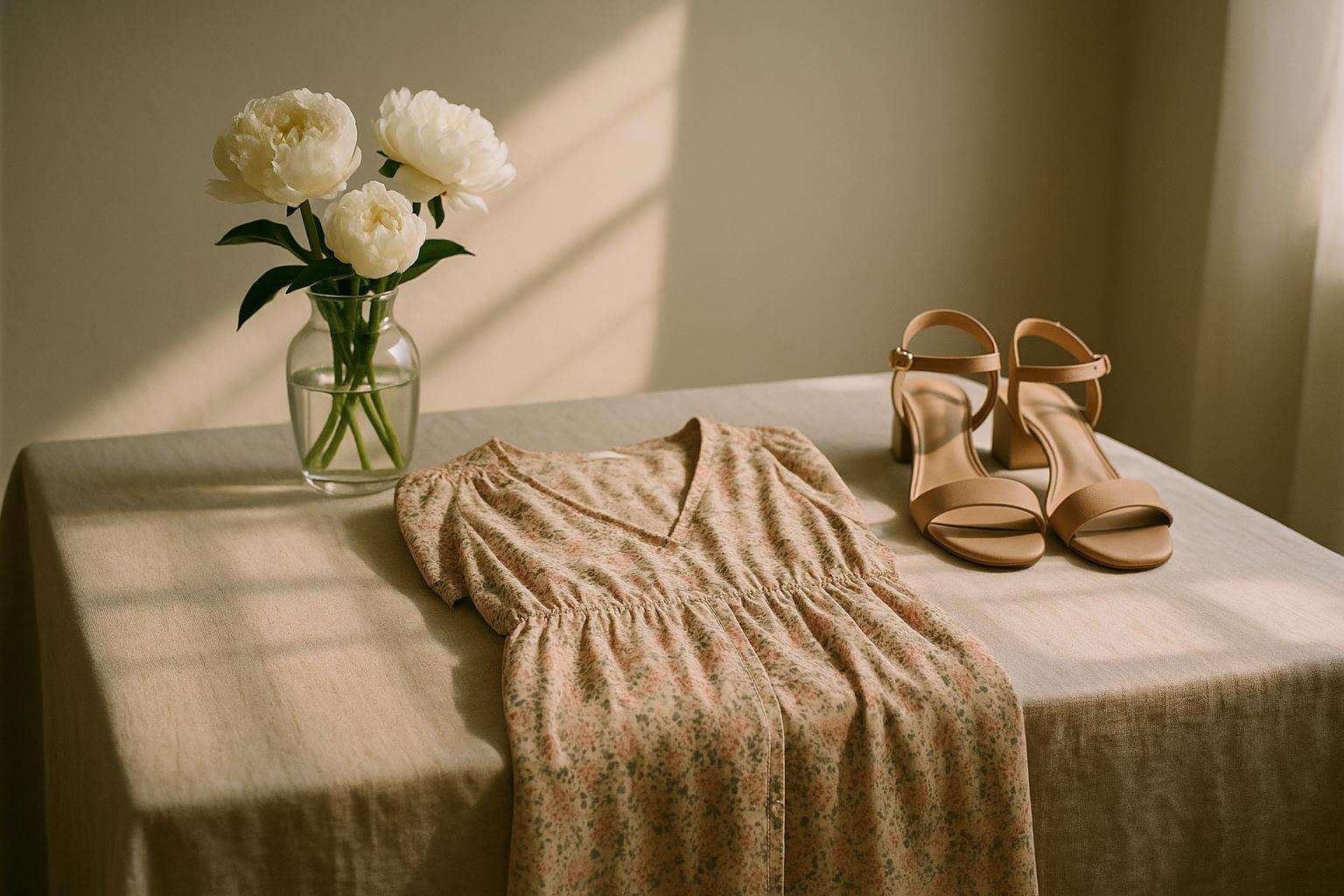
A wrap dress or empire-waist midi in a soft, stretchy fabric is the most universally flattering baby shower silhouette at any trimester. Choose comfort alongside style — you'll be on your feet for hours — and consider renting a premium maternity dress rather than buying one for a single occasion.
What silhouette actually works when you're visibly pregnant?
The guest of honor at a baby shower has a body doing something remarkable — which means standard occasion-dress advice doesn't quite apply. The silhouettes that work reliably at any point in pregnancy share a few qualities: they expand gracefully with a changing bump, they don't require constant adjustment, and they photograph well from multiple angles without relying on shapewear.
Wrap dresses are the most consistently recommended silhouette across maternity style guides, and for good reason. The wrap construction ties above or below the bump, accommodates significant size variation, and is adjustable in real time if comfort shifts across a long afternoon. In jersey knit or a soft crepe, a wrap dress moves with the body rather than against it. HATCH Collection — the premium maternity brand most frequently cited for occasion-ready dressing — builds many of its dresses on a wrap or surplice structure precisely because of this adaptability. The Bump and Lucie's List independently name HATCH dresses as first-choice shower picks for women who want to invest in a piece that carries forward postpartum.
Empire-waist dresses are the second standout. With the seam sitting at the narrowest point just below the bust, the skirt flows over the bump rather than stretching across it. This silhouette is especially comfortable in the third trimester when the belly is at full size, because nothing is fitted across the midsection. Look for empire-waist styles in maxi or midi lengths — a floor-grazing maxi is particularly forgiving and elegant for indoor celebrations.
Ruched side-panel dresses and tops are worth mentioning as well. The side ruching stretches to accommodate the bump and creates vertical visual interest that reads as intentional rather than too-tight. PinkBlush has built its brand around this construction and offers a wide range of ruched occasion dresses in the $40–$80 price range, with sizing to 3X — making it one of the more size-inclusive options in the maternity market.
Silhouettes to approach with caution include very fitted bodycon styles (comfortable only if you've worn them throughout pregnancy and know they suit you), heavily structured fit-and-flare dresses with stiff boning or underlining, and anything with an under-belly panel waistband in a dress you plan to wear for five or more hours — by mid-afternoon in the third trimester, most under-bump panels have rolled down at least once.
How does trimester affect what you should choose?
Trimester matters because the bump changes in size, the body changes in ways beyond the bump, and comfort requirements shift noticeably from the second to the third trimester.
Second trimester (weeks 14–27): the bump is moderate, non-maternity sizing often still works with a size up; wrap and empire silhouettes offer the most flexibility. Third trimester (weeks 28–40): dedicated maternity sizing through the torso and shoulder provides a noticeably better fit; stretchy fabrics and over-the-belly construction are worth prioritizing.
Second trimester showers are most common — typically scheduled 4–8 weeks before the due date, which for many women falls between weeks 32 and 36. At this stage the bump is clearly visible and the body is in active transition. Standard wrap or empire dresses in a size up from pre-pregnancy can still work, but maternity-cut dresses in this phase are more reliably comfortable because they're designed with extra room through the torso, back, and shoulder — areas that change significantly by mid-pregnancy.
Third-trimester showers (weeks 28–40) call for deliberate comfort choices. Swelling in the feet and ankles is common; circulation changes mean that standing or sitting in one position for extended periods can be tiring. Practical priorities: stretchy, breathable fabrics (jersey, modal, TENCEL™ lyocell, rayon) rather than rigid wovens; low-heel or flat shoes with adjustable straps; and an empire or wrap silhouette that doesn't require anything to be precisely fitted across the bump. Obstetric guidelines support the use of compression socks in the third trimester to improve circulation and reduce fluid buildup — worn under a maxi dress, they're completely invisible and genuinely helpful.
Venue also shapes the choice. A backyard garden shower in warm weather calls for a lighter fabric — linen-blend or rayon — and potentially a more casual silhouette than a catered restaurant brunch. A winter shower in a formal venue opens the door to richer fabrics: velvet, ponte, or a dark-ground floral print in a draped jersey. The key is matching the formality level of the event rather than defaulting to the same dress that works for every occasion.
Where should you buy or rent a standout baby shower dress?
The most important question is whether you're buying to wear once or buying to wear repeatedly. The answer changes the math significantly.
If you're buying to own: HATCH Collection sits at the premium end — dresses from $178 to $268 — with a design philosophy centered on longevity. Most HATCH pieces are intentionally styled to work before, during, and after pregnancy, and the brand's fans consistently report wearing pieces five or more years post-delivery. That changes the cost-per-wear calculation: a $198 HATCH wrap dress worn six times a year for three years costs roughly $11 per wear. HATCH is carried at Nordstrom, Bloomingdale's, and Macy's in addition to its own site, and the brand runs a sale section with select items from around $19.50 for those who want to explore the range at lower entry cost.
Seraphine, the London-founded brand known for dressing the Princess of Wales during each of her pregnancies, offers structured and draped occasion-ready styles in the US market, with pieces available at Macy's and on its own site. Seraphine sizes XS–XXL and runs true to size. PinkBlush is the most accessible occasion-dress option, with a wide style selection in the $40–$80 range and consistent size-inclusivity through 3X.
If you're renting: Rent the Runway carries the most extensive dedicated maternity inventory of any rental platform — including HATCH, Seraphine, Isabella Oliver, and Rachel Pally — accessible via a subscription starting at $89/month. A RTR Basic subscription at $89/month gives you access to four items per month across any of these brands, which means you can rent a HATCH shower dress that retails at $198–$268 for a fraction of the purchase price. Nuuly, priced at $98/month for any six items, includes a maternity-specific filter and carries contemporary brands from across the Anthropologie and Free People family plus 500+ external labels. One documented subscriber found that her six monthly items would have cost approximately $850 to buy new — a compelling value case for rental over purchase for a single-occasion dress.
If you're buying secondhand: ThredUp lists Seraphine, HATCH, and other premium maternity brands at up to 90% off retail. A Seraphine occasion dress that retails at $120 may appear on ThredUp in excellent condition for $20–$40. Poshmark offers peer-to-peer pricing in a similar range for both Seraphine and HATCH.
| Approach | Approximate Cost | Best For | Notable Brands/Platforms |
|---|---|---|---|
| Buy (budget) | $40–$80 | Single occasion, size-inclusive options | PinkBlush, H&M MAMA |
| Buy (mid-tier) | $80–$140 | Occasion + some postpartum use | Seraphine, Isabel Maternity |
| Buy (premium) | $178–$268 | Investment piece worn for years postpartum | HATCH Collection, Storq |
| Rent (subscription) | $89–$135/month | Designer brands at fraction of retail price | Rent the Runway, Nuuly |
| Buy secondhand | $15–$90 | Premium brands at budget prices | ThredUp, Poshmark |
What fabric and safety considerations matter during pregnancy?
Fabric choice during pregnancy deserves more attention than most style guides give it. The skin is more sensitive during pregnancy, and garments worn for prolonged periods — particularly fitted ones close to the belly — are worth evaluating from a materials perspective as well as a comfort one.
From a comfort standpoint, natural or semi-synthetic fibers — cotton, modal, TENCEL™ lyocell, rayon, and jersey knit — are the most body-friendly choices for a long occasion. They breathe, move, and don't trap heat the way polyester and nylon blends can. For a baby shower that may last four hours or more, a breathable fabric matters more than most women anticipate when selecting a dress in a dressing room.
From a materials safety standpoint, synthetic performance fabrics — particularly those labeled stain-resistant, wrinkle-free, or moisture-wicking — can carry PFAS-based finishes or phthalate-containing dyes, which are established endocrine disruptors. Research published in Chemosphere (2024) has documented phthalate esters in clothing textiles, and a 2024 cross-sectional study in Toxics highlighted that awareness of endocrine-disrupting chemical exposure through clothing remains low among pregnant women. For an occasion dress worn for a single afternoon, the practical exposure is modest; for any maternity garment worn regularly, look for OEKO-TEX Standard 100 certification — an independent test of the finished garment for PFAS, azo dyes, BPA, and formaldehyde. Storq holds OEKO-TEX certification across most of its line. Washing any new dress once before wearing removes residual manufacturing finishes at no cost and minimal effort.
This article provides general fashion and lifestyle guidance for expectant mothers. It is not medical advice. If you have specific health concerns related to fabric exposure, chemical sensitivity, or any aspect of your pregnancy, speak with your obstetrician or midwife.
Frequently asked
What is the best dress style for a baby shower when you're pregnant?
A wrap dress or empire-waist midi dress is the most universally flattering silhouette for a pregnant guest of honor. Wrap styles tie above or below the bump and expand gracefully as you move, while empire-waist cuts skim the belly without clinging. Both work from the second trimester through full term. HATCH Collection is the gold standard for occasion-ready maternity dresses — most pieces are designed to be worn before, during, and after pregnancy, meaning a $178–$268 dress carries genuine long-term value. At a lower price point, PinkBlush and H&M MAMA offer wrap and flutter-sleeve midi styles typically between $40 and $80 that work well for a single-occasion shower. Avoid bodycon or very fitted silhouettes unless you're comfortable in them — the shower lasts several hours and you'll be sitting, hugging guests, and opening gifts.
What should I wear to a baby shower in my third trimester?
In the third trimester (weeks 28–40), the bump is at full size and comfort becomes as important as style. Prioritize stretchy, breathable fabrics — jersey knit, modal, and TENCEL™ lyocell move with your body without digging in. An over-the-belly waistband on any bottoms prevents the rolling-down issue common with under-bump bands at this stage. For dresses, a flowy maxi or a structured wrap in a soft knit avoids the need for shapewear and reads as polished without restricting movement. HATCH Collection and Storq specifically design for full-term wear; both brands make pieces that survive postpartum too, extending cost-per-wear significantly. If you're hosting an outdoor warm-weather shower, a linen-blend or rayon midi is comfortable in heat. Compression socks worn under a maxi dress also help with the swelling and circulation changes common in late pregnancy.
Should I buy or rent a baby shower dress?
For a single-occasion shower dress, renting is often the smarter financial choice. Rent the Runway carries a dedicated maternity inventory including HATCH, Seraphine, and Isabella Oliver — premium brands you can access at the $89–$135/month subscription price rather than the $178–$268 retail price. Nuuly offers a rotating six-item monthly box at $98 and includes maternity filters, making it practical if the shower falls mid-subscription. If you prefer to own, ThredUp sells secondhand HATCH and Seraphine shower-worthy pieces at up to 90% off retail, and Poshmark lists Seraphine in good condition for $25–$90. The exception is a dress you can genuinely wear postpartum — HATCH and Storq pieces earn their full purchase price when worn repeatedly for years after delivery.
Can I wear non-maternity clothes to my baby shower?
Yes — many non-maternity silhouettes work beautifully as baby shower dresses, particularly in the second trimester when the bump is moderate. Wrap dresses in standard sizing, flowy boho maxi dresses, and empire-waist styles from regular collections can all accommodate a growing belly without dedicated maternity cuts. The key is choosing fabric with some give (jersey, rayon, stretch crepe) and sizing up one to two sizes from your pre-pregnancy size if the dress is fitted through the middle. H&M's mainline collection and Free People (available via Nuuly) include many bump-friendly non-maternity designs that work beautifully for occasions through the second trimester. By the third trimester most women find that dedicated maternity sizing — particularly through the torso and shoulder — provides a noticeably better fit and more comfortable all-day wear.
What colors and patterns are most flattering for a baby shower outfit?
Traditional advice leans toward soft, light neutrals — blush, ivory, sage, lavender, and white — which photograph well and feel celebratory without competing with shower décor. That said, the best color is simply one you feel confident in. Floral prints are perennially popular for showers and photograph beautifully; soft watercolor florals in particular read as elegant rather than busy. Vertical or diagonal prints can elongate the silhouette if that's a concern. Solid-color dresses in rich jewel tones — dusty rose, terracotta, cornflower blue — also work well and stand out in photos. Avoid very dark, heavy fabrics if the shower is in a warm indoor or outdoor summer setting. Lucie's List recommends choosing a shower dress color that works with the venue's palette if you have input into the décor, creating a cohesive visual story across photos.
How much should I spend on a baby shower outfit?
A sensible range for a purpose-bought baby shower dress is $40–$180, depending on your budget and how much post-shower wear you expect. At the lower end, H&M MAMA and PinkBlush offer occasion-worthy wrap and midi dresses in the $40–$80 range that work for a single event. Mid-tier options from Ingrid & Isabel and Isabel Maternity at Target fall around $30–$60 for simpler silhouettes. At the premium end, HATCH Collection dresses start at $178 and climb to $268 — worth it if you'll wear the piece into the postpartum period and beyond. Renting through Rent the Runway or Nuuly is the most economical path for a truly special dress you won't rewear, giving you access to designer maternity labels for roughly $89–$135 for the month. Secondhand from ThredUp or Poshmark can cut retail prices by 50–90% on premium brands.
What shoes work best for a baby shower outfit in late pregnancy?
In late pregnancy, low block-heel sandals, wedges, or flat mules are the most practical choices. Block heels distribute weight more evenly than stilettos and provide stability when balance has shifted due to the growing bump. Wedges are similarly comfortable and add height without the instability of a pointed heel. If swelling is a concern — common in the third trimester — opt for sandals with adjustable straps rather than slip-ons that may tighten through the event. Ballet flats are a comfortable backup. Avoid strappy stilettos or platforms over two inches; the center-of-gravity shift in late pregnancy makes falls a genuine risk. A block-heeled mule or a dressy flat in nude or metallic pairs cleanly with most maternity dress silhouettes and keeps the focus on the outfit, not the shoes. The Bump's maternity fashion guide consistently emphasizes comfort-first footwear as a key element of a complete baby shower look.